
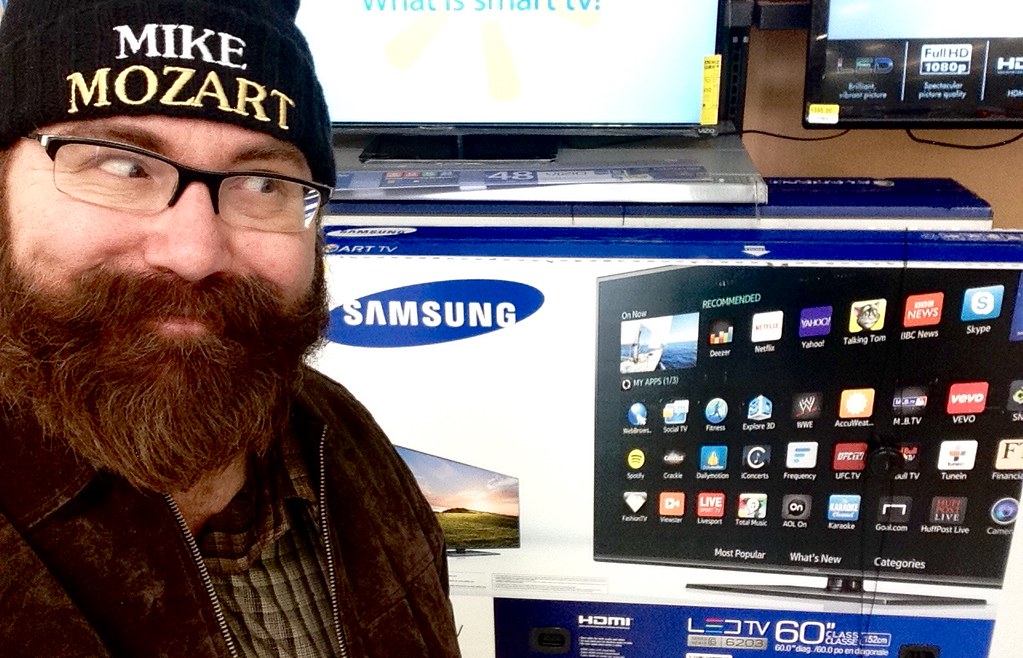
LG announced in July 2026 that it will suspend smart TV apps that turn a customer’s television into an always-on residential proxy node, following research showing that more than 42% of apps available on LG’s webOS store contained SDKs quietly routing unknown third parties’ internet traffic through users’ TVs, with over a quarter of Samsung Tizen apps carrying similar components. LG’s Senior VP John Taylor said the company is “working with” developers to remove the proxy functionality voluntarily, with suspension as the consequence for apps that don’t comply.
Table of Contents
What a Residential Proxy SDK Was Actually Doing
A residential proxy SDK bundled inside an otherwise-legitimate app (a streaming service, a game, a utility) turns the device it’s installed on into a relay point for someone else’s internet traffic, without the device owner’s meaningful awareness or consent. The app developer monetizes this by selling access to that bandwidth to proxy network operators, who in turn sell it to anyone wanting to route traffic through what looks like an ordinary residential IP address, exactly the kind of traffic that’s historically been treated as more trustworthy than data-center or hosting IP ranges.
A smart TV is a particularly attractive target for this: it’s typically always powered on, always connected, and runs largely unattended, none of the usage patterns that might tip off a more actively-used device’s owner that something unusual is happening.
Why This Matters Beyond Smart TVs Specifically
This connects to a broader pattern: the FBI’s July 2026 seizure of the NetNut proxy platform (which we covered here), which Krebs ties to the Popa botnet, was another residential-proxy story from the same month. LG’s proxy ban and the NetNut takedown aren’t separate stories, they’re two sides of the same underlying problem, residential IP addresses have become significantly less reliable as a trust signal than they used to be, because a meaningful and growing share of “residential” traffic is now a rented exit node running on a device its owner never knowingly opted into sharing.
What This Means for Reading Your Own Server’s Traffic
If your fraud detection, rate limiting, or bot-mitigation rules give residential IP ranges more trust than data-center ranges by default, that assumption is worth re-examining given how common this specific abuse pattern has become. Behavioral signals, request patterns, timing, how a session actually navigates a site, are a more durable signal than IP classification alone, precisely because IP classification is exactly what this kind of proxy network is designed to make unreliable. A login attempt or a checkout fraud pattern doesn’t stop looking suspicious just because it’s arriving from an IP address that resolves to somebody’s home internet connection.
What Has Happened Since LG’s Announcement
Both big TV platforms have now acted. Reporting on the follow-up says LG suspended the apps it had identified as containing residential proxy code by September 15, 2026. Samsung, whose Tizen platform had the same problem, said in August that it had already restricted new app registrations that incorporate proxy functionality, and committed to strict developer policies banning residential proxy SDKs and to removing existing apps that carry them, though it hasn’t given a completion date. The store-level cleanup is real, but it is still in progress.
The Consumer Side of This Story
For anyone running a smart TV, the practical takeaway is checking what’s actually installed: apps from major, well-known streaming services are unlikely to carry this kind of SDK, but lesser-known free apps, particularly ones offering free access to content that’s normally paid, are exactly the category where this kind of bundled monetization shows up most often. The platform crackdowns work at the store level, and suspending an app in the store doesn’t by itself tell you what a copy already installed on your TV is doing, so remove apps you don’t recognize or no longer use.
How to Check a Smart TV for Risky Apps
- Open the app list and remove anything you don’t recognize or no longer use, especially lesser-known free apps.
- Keep the TV’s firmware and apps updated, since platform-level fixes arrive that way.
- Check your router’s connected-device or traffic view if it has one. A TV using a lot of data while nobody is watching is worth investigating.
- Consider putting TVs and other smart-home devices on a separate guest or IoT network, so they can’t reach laptops and phones.
- If a free app offers premium content at no cost, ask how the developer makes money.
What This Means for Fraud and Bot Rules on a Store
For a site owner, the useful change is in how you treat traffic from home internet connections. If a login, signup or checkout rule is more lenient for residential IP addresses, review it. Better signals include how the session behaves, such as page order and timing, how many attempts come from one device or account, whether the same card or email appears across many orders, and whether the details a customer enters match each other. Combine several weak signals rather than relying on any one, and keep a manual review path so a real customer on a shared or unusual connection isn’t blocked outright.
Why Cleanup Takes Time
Removing proxy code from TV apps is slow for structural reasons. Apps are built by many small developers, residential proxy providers pay developers to include the SDKs, and store reviews can’t always see what a bundled library does at runtime. Spur found these SDKs bundled with everything from simple games to screensavers and file utilities. That is why the announcements from LG and Samsung describe policies, suspensions and removals rolled out over weeks rather than a single switch, and why it makes sense to treat a TV’s installed apps as something to review periodically, not once.
The Broader Pattern
Bundling monetization SDKs into free apps isn’t new, ad networks and analytics trackers have done versions of this for years, what’s changed is the specific thing being monetized: not attention or data, but the device owner’s own internet connection and IP reputation, sold to whoever wants to route traffic that benefits from looking like it’s coming from an ordinary household. As platforms like LG and Samsung start actually enforcing against this specific pattern, expect it to migrate to less-scrutinized app ecosystems rather than disappear, the underlying economics that make it profitable haven’t changed, only where it’s currently tolerated has.