



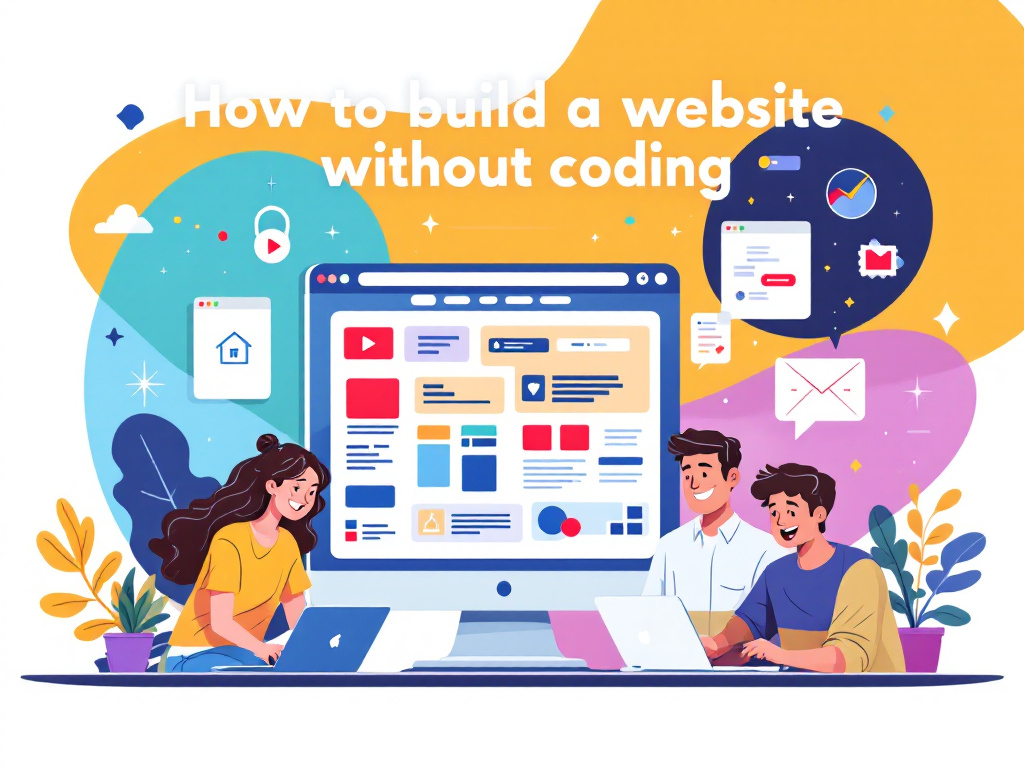
Trying to create a website without coding might sound too good to be true, but these days you really can turn your ideas into a live site without touching a single line of code. In this guide, you’ll discover how no-code platforms work, which tools fit your needs, and the steps to get your project online fast.
By the end, you’ll know exactly how to choose a builder, set up hosting and a domain, design your pages, add features, and keep everything running smoothly—no developer required.
Understand no-code platforms
No-code builders let you drag and drop elements on a canvas, rather than write HTML, CSS, or JavaScript yourself. Think of it like assembling Lego blocks instead of carving each piece from scratch.
What is a no-code builder?
A no-code platform provides a visual interface to create website layouts, add text and images, and tweak styles. Under the hood, the tool generates all the necessary code for you. That means you can focus on content and design, and skip manual coding.
Benefits of visual development
- Speed: launch a basic site in hours instead of days
- Accessibility: no steep learning curve for programming languages
- Cost savings: avoid hiring a developer for routine updates
- Flexibility: swap templates or add features with point-and-click controls
Compare popular no-code tools
Picking the right builder comes down to ease of use, customization options, and the type of site you want. Here’s a quick look at four top platforms.
| Platform | Ease of use | Customization | Best for |
|---|---|---|---|
| Wix | very easy | good | small businesses, portfolios |
| Squarespace | easy | good | creatives, blogs |
| Webflow | moderate | excellent | designers, complex layouts |
| Carrd | very easy | basic | simple landing pages |
Wix and Squarespace shine if you want a fast setup and plenty of templates. Webflow gives you deeper design control at the cost of a slightly steeper learning curve. Carrd is perfect for one-page sites, portfolios, or quick promos.
Set up domain and hosting
Most no-code builders include hosting (and sometimes a free subdomain) in their plans. You’ll typically pick a paid tier to connect a custom domain.
Register your domain
- Search for a domain name that matches your brand or project
- Compare prices across registrars (some run promos for the first year)
- Verify ownership and set up email forwarding if needed
Connect hosting automatically
Once you’ve registered your domain, log into your no-code dashboard and follow the prompts to link the address. DNS records (A, CNAME) update behind the scenes, so you don’t need to edit anything manually.
Design your site layout
Now for the fun part—making your site look and feel just right. Templates give you a strong starting point, but personalization ensures your vision really shines.
Pick a template
- Browse categories (ecommerce, portfolio, blog) to narrow choices
- Preview on desktop and mobile to check responsiveness
- Look for layouts that match your content structure
Customize brand elements
- Swap default colors for your brand palette
- Upload logos, custom fonts, or icon sets
- Adjust spacing and section order until it feels balanced
Add content and features
With the skeleton in place, populate pages with your own words, visuals, and interactive elements. No-code sites handle everything from contact forms to shopping carts.
Integrate plugins and widgets
- Embed a contact form or newsletter signup
- Add social feeds or live chat widgets
- Enable ecommerce features like product galleries and checkout
If you ever want to explore more hands-on control, check out how to build a website from scratch to combine code snippets with no-code tools.
Optimize for search engines
- Write clear page titles and meta descriptions
- Use heading tags (H1, H2) in logical order for readability
- Compress images and enable lazy loading (if available)
Launch and maintain your site
A smooth launch and ongoing upkeep will keep your visitors happy and coming back.
Pre-launch checklist
- Test forms, links, and navigation on multiple devices
- Proofread copy for typos or broken grammar
- Verify page speed and fix any slow-loading elements
Maintenance best practices
- Back up your content regularly (some platforms auto-backup)
- Update images and text to reflect new offers or announcements
- Monitor analytics to see what pages or posts perform best
Key takeaways
- No-code platforms empower you to launch sites quickly and affordably
- Compare tools by ease of use, customization, and your project type
- Templates jumpstart your design, then customize colors and fonts
- Add features with plugins, and optimize headings, titles, and images
- Run a pre-launch checklist and keep content fresh with regular updates
Ready to see your vision in action? Pick a platform, follow these steps, and watch your site go live. Got questions or tips from your own no-code journey? Drop a comment below so everyone can learn from your experience.