



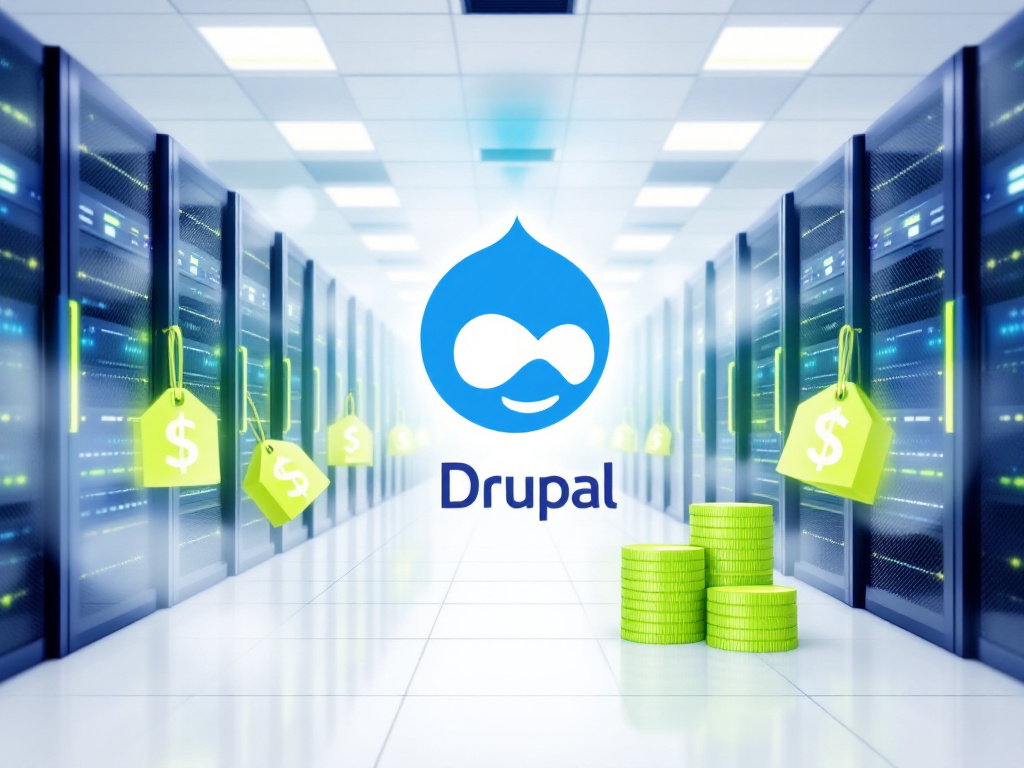
A 2024 W3Techs report found that Drupal powers 4.7% of all websites using a content management system (CMS). Choosing affordable Drupal hosting solutions helps you balance robust performance, strict security, and a predictable budget. Right now, many enterprises and agencies look for cost-effective Drupal hosting that scales with their needs. We’ll walk through the key steps so you can secure a plan that fits your technical and budget requirements.
By picking the right plan, you can avoid overpaying for unused resources and still meet high traffic demands.
Understand hosting cost factors
Your monthly hosting bill reflects more than server space. It includes CPU power, memory, bandwidth, and support level. Premium features like automatic backups, advanced security scans, or dedicated IPs raise costs too (but they boost reliability). Good news, once you break down each line item, you’ll spot where you can trim expenses without harming performance.
Keep these cost drivers in mind as you review plans:
- Resource allocation like cores and RAM
- Network bandwidth and data transfer limits
- Support tier (standard vs 24/7 enterprise support)
- Compliance certifications (GDPR, SOC2)
- Backup frequency and restoration options
Understanding these elements gives you a clearer view of where affordable plans still deliver enterprise-grade service.
Compare hosting models
Drupal hosting comes in several flavors. Each model balances control, cost, and complexity differently:
- Shared hosting (most budget-friendly, but limited resources)
- Virtual private server (VPS, midrange price, good isolation)
- Dedicated server (full control, higher cost)
- Cloud hosting (elastic scaling, pay-as-you-go billing)
- Fully managed hosting (hosts handle setup, updates, security)
Each option has trade-offs. Shared plans can introduce noisy neighbors, while dedicated servers demand more maintenance. For a detailed side-by-side breakdown, explore our drupal hosting comparison.
Evaluate provider offerings
Not all providers offer the same value at every price point. When you compare hosts, look for:
- Uptime guarantee (99.9% or higher)
- Auto-scaling features to handle traffic spikes
- Security measures like web application firewalls
- Regular core and module updates
- Compliance with industry standards (PCI, HIPAA)
If you prefer hands-off management, consider our managed Drupal hosting services. You can also consult our top Drupal hosting companies list or browse our Drupal hosting providers directory for budget-friendly options.
Optimize hosting expenses
Once you’ve chosen a provider, you can further lower costs with a few tweaks:
- Opt for annual billing (most hosts offer 10-20% discounts)
- Consolidate multiple sites on a single plan when possible
- Use content delivery networks to offload bandwidth
- Archive or remove unused modules and databases
Don’t worry, these steps are easy to implement and often reduce your bill in weeks rather than months. You’ll have more budget left for development and innovation.
Quick recap and next steps
- Review all hosting cost factors.
- Compare models with our drupal hosting comparison.
- Evaluate providers for uptime, security, and support.
- Try annual billing and site consolidation.
You’ve seen how cost-effective hosting can power your Drupal site without breaking the bank. Pick one tip, apply it this week, and track your savings. You’ve got this.